
January 15, 2026
How to Win a Multiple Offer Situation

In a multiple offer situation, offering over list price isn't the only way to win, and often it isn't even the most important. The strongest offer is the one most appealing to the seller, and that comes down to a lot more than the number. I've never lost a multiple offer situation, and here's exactly how I structure offers to win.
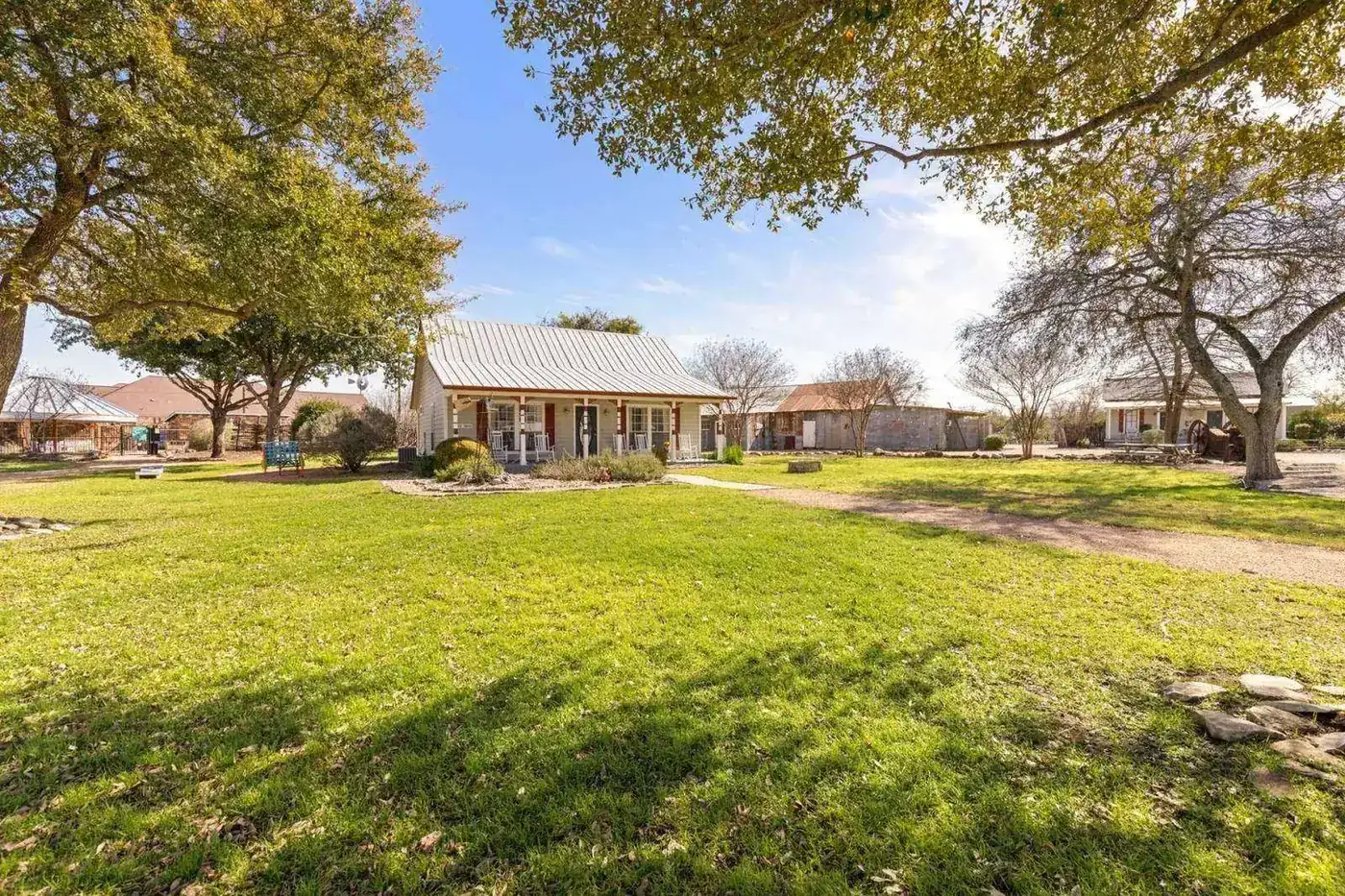
I'll start with a recent example. I was showing a couple homes in Clear Lake and League City, and they fell in love with the third house we saw. I already knew from my research that it was fresh on the market, priced right, and already had multiple offers. So we had to be competitive, and we had room to offer over asking. They won, and these are the terms that got them there.
Price
Start with comps. Your agent should run a CMA (comparative market analysis), a report that uses similar nearby homes to estimate a home's market value. It tells you how far over list price you can go and still feel confident the home will appraise.
Earnest money
Earnest money is your good faith deposit, usually about 1% of the purchase price, held by the title company. Increasing it to 2 or 3% shows the seller you're a serious, committed buyer.
Option period length and fee
In Texas, the option period is a set number of days at the start of the contract when you can back out for any reason: after the inspection, because you found another home, or because you simply changed your mind. The only cost is your option fee, which goes to the seller for taking their home off the market. In Houston, 10 days for around $150 is common for an average-priced home. In a multiple offer situation, shortening that window to 7 or even 5 days and increasing the fee makes your offer more appealing, because the seller faces less risk and gets more if you walk away.
Home warranty
Many buyers ask the seller to pay for a one-year home warranty, which typically runs $300 to $750. Dropping that request is a small change to the seller's bottom line, but in a close race, small things add up.
Type of financing
Cash is usually king because there's no appraisal risk and no chance of a loan falling through. If you're financing, a conventional loan with 20% or more down is generally seen as the strongest option, and in some cases you may qualify to skip the appraisal entirely. FHA and VA loans are great products that sometimes get an unfair reputation. VA loans in particular close reliably, and a good buyer's agent will make sure the listing agent understands that, so your offer isn't judged by its loan type alone.
Leaseback
If the seller still needs to find their next home, offering a leaseback, where they rent the home back from you after closing at little or no cost, can set you apart from every other offer.
Appraisal gap coverage
An appraisal is an independent check that the home is worth the contract price. If it comes in low, buyers can usually back out and get their earnest money back. For the seller, that's a big risk, since the appraisal often comes back just a week or two before closing. If you can cover part or all of the difference in case of a low appraisal, writing that into your contract makes your offer dramatically stronger.
Close date
If the seller has already moved out, a faster close is often worth more than a higher price. Ask your lender how quickly they can close. Many can do it in 21 or even 14 days instead of the usual 30 to 45.
The most important piece
The real advantage is an agent who learns what the seller actually needs, then structures your offer around it. That's what turns a good offer into the winning one.
Thinking about buying in Houston? Download our free Buyer's Guide, or reach out. I was born and raised here and have been an agent for more than five years, so I know the city and suburbs well. I'd love to help you win your next home and get a great deal doing it.